
Embark on a journey through the world of Programmatic advertising services, where cutting-edge technology meets strategic marketing tactics to revolutionize brand promotions. Dive into the intricacies of real-time bidding, audience segmentation, and optimization techniques that drive successful advertising campaigns.
Explore the dynamic landscape of digital advertising and discover how data analytics and targeting strategies play a pivotal role in shaping the future of online marketing.
Programmatic Advertising Services
Programmatic advertising is a method of buying and selling digital advertising space in real-time using automated processes and algorithms. It allows advertisers to target specific audiences and optimize their ad placements for better performance.
Benefits of Using Programmatic Advertising Services
- Targeted Advertising: Programmatic advertising enables advertisers to target specific demographics, interests, and behaviors to reach the right audience.
- Real-Time Optimization: Advertisers can adjust their campaigns in real-time based on performance data to improve ROI.
- Cost-Effective: By automating the ad buying process, programmatic advertising can reduce costs and increase efficiency.
- Increased Reach: Advertisers can access a wide range of publishers and ad inventory through programmatic platforms.
Companies Offering Programmatic Advertising Services
- Google Marketing Platform: Google offers a suite of programmatic advertising tools, including Display & Video 360 and Google Ads.
- The Trade Desk: A leading programmatic advertising platform that provides advanced targeting and optimization features.
- MediaMath: An omnichannel programmatic platform that helps advertisers reach their target audiences across various devices and channels.
Role of Data Analytics in Programmatic Advertising Services
Data analytics plays a crucial role in programmatic advertising by providing insights into audience behavior, ad performance, and campaign optimization. By analyzing data in real-time, advertisers can make informed decisions to improve targeting, messaging, and overall campaign effectiveness.
Components of Programmatic Advertising Services
Programmatic advertising services consist of several key components that work together to automate the process of ad buying and selling. These components include demand-side platforms (DSPs), supply-side platforms (SSPs), data management platforms (DMPs), and ad exchanges.
Demand-Side Platforms (DSPs)
Demand-side platforms are used by advertisers and agencies to purchase digital ad inventory across multiple ad exchanges through a single interface. DSPs allow advertisers to target specific audiences, set bidding parameters, and optimize campaigns in real-time.
Supply-Side Platforms (SSPs)
Supply-side platforms are used by publishers to manage and sell their ad inventory programmatically. SSPs connect publishers with ad exchanges and ad networks, allowing them to maximize revenue by selling their inventory to the highest bidder.
Data Management Platforms (DMPs)
Data management platforms collect and analyze data from various sources to create detailed audience profiles. These audience insights help advertisers target their ads more effectively and personalize their messaging based on user behavior.
Ad Exchanges
Ad exchanges are digital marketplaces where advertisers and publishers buy and sell ad inventory in real-time through auctions. Ad exchanges facilitate the automated buying and selling of ads based on factors like audience targeting, ad placement, and bid price.Overall, these components work together seamlessly to streamline the process of programmatic advertising, making it more efficient and cost-effective for advertisers and publishers alike.
Targeting Strategies in Programmatic Advertising
Targeting strategies play a crucial role in the success of programmatic advertising campaigns. By reaching the right audience with the right message at the right time, advertisers can maximize their impact and ROI.
Different Targeting Options in Programmatic Advertising
Programmatic advertising offers a variety of targeting options to help advertisers reach their desired audience effectively. Some common targeting strategies include:
- Demographic Targeting: Targeting users based on age, gender, income, education, and other demographic factors.
- Geographic Targeting: Targeting users based on their location, such as country, city, or zip code.
- Behavioral Targeting: Targeting users based on their online behavior, such as websites visited, searches made, and content consumed.
- Contextual Targeting: Targeting users based on the context of the content they are consuming, such as s or topics.
Importance of Audience Segmentation in Programmatic Advertising Services
Segmenting the audience into specific groups based on demographics, behavior, and interests allows advertisers to tailor their messaging and creatives to resonate with each segment. This personalized approach increases the likelihood of engagement and conversions.
Examples of Successful Targeting Strategies in Programmatic Advertising Campaigns
One successful targeting strategy is the use of lookalike audiences, where advertisers target users who share similar characteristics with their existing customers. This helps expand the reach to potential customers who are likely to be interested in the product or service.
Another effective strategy is sequential messaging, where advertisers deliver a series of ads to users based on their interaction with previous ads. This can guide users through the conversion funnel and increase the chances of a successful conversion.
Retargeting in Programmatic Advertising
Retargeting is a powerful strategy that involves targeting users who have previously interacted with the brand but did not convert. By showing them relevant ads across different channels, advertisers can re-engage these users and encourage them to complete the desired action, leading to improved conversion rates.
Optimization and Reporting in Programmatic Advertising
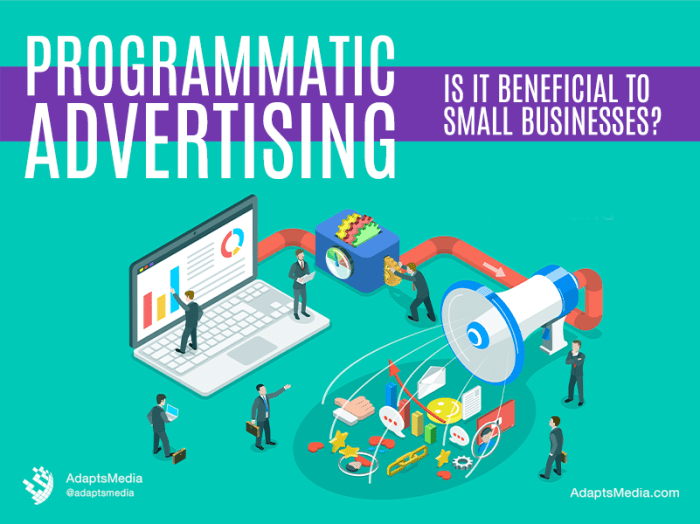
Programmatic advertising services rely on optimization techniques to ensure that campaigns are effective in reaching the target audience and driving desired actions. This involves constant monitoring, analyzing data, and making adjustments to improve performance.
Optimization Techniques in Programmatic Advertising
- Dynamic Creative Optimization: Tailoring ad creatives based on user behavior and preferences to increase engagement.
- Bid Strategies: Adjusting bid amounts based on performance data to maximize ROI.
- Frequency Capping: Limiting the number of times an ad is shown to the same user to avoid ad fatigue.
- Dayparting: Running ads at specific times of the day when the target audience is most active.
Role of Machine Learning in Optimizing Programmatic Advertising Campaigns
Machine learning algorithms analyze vast amounts of data to identify patterns and optimize ad delivery in real-time. This technology helps in predicting user behavior, adjusting bids, and targeting the right audience segments effectively.
Reporting and Analytics in Programmatic Advertising
- Track Key Performance Indicators (KPIs) such as click-through rates, conversion rates, and return on ad spend to measure campaign success.
- Utilize attribution models to understand the impact of each touchpoint in the customer journey.
- Generate reports regularly to identify trends, insights, and areas for improvement.
Best Practices for Optimizing Programmatic Advertising Campaigns
- Use A/B testing to compare different ad creatives, messages, and targeting strategies to optimize campaign performance.
- Regularly review and optimize campaign settings, targeting parameters, and budgets based on data analysis.
- Implement audience segmentation to deliver personalized ads to specific user groups for better engagement.
- Collaborate with data analysts and machine learning experts to leverage insights and optimize campaigns effectively.
Advertising Campaign
An advertising campaign is a series of coordinated marketing efforts that promote a product, service, or brand through various channels to achieve specific objectives. The key objectives of an advertising campaign include increasing brand awareness, driving sales, generating leads, or changing consumer perceptions.
Importance of Setting Clear Goals
Setting clear goals for an advertising campaign is crucial as it helps align efforts towards a common purpose, measure the success of the campaign, and provide a roadmap for decision-making. Without clear objectives, it becomes challenging to assess the effectiveness of the campaign and make necessary adjustments for improvement.
- Establishing brand awareness targets
- Setting specific sales goals
- Defining target audience engagement metrics
- Measuring ROI and campaign success
Creating a Budget
Creating a budget for an advertising campaign involves determining the overall cost of the campaign, allocating funds to different channels, and monitoring expenses to ensure they align with the set objectives. Factors to consider when creating a budget include the target audience, advertising channels, creative production, and campaign duration.
It is essential to allocate budget strategically to maximize the impact of the campaign while staying within financial constraints.
Successful Advertising Campaign Examples
Some successful advertising campaigns that have had a significant impact on brand awareness include Coca-Cola’s “Share a Coke” campaign, Nike’s “Just Do It” campaign, and Apple’s “Get a Mac” campaign. These campaigns effectively resonated with their target audience, increased brand visibility, and drove consumer engagement.
- Coca-Cola’s personalized packaging increased consumer engagement and social media buzz.
- Nike’s empowering messaging inspired consumer loyalty and brand advocacy.
- Apple’s comparative advertising differentiated the brand and established a clear identity in the market.
Advertising Service
In the realm of advertising, there are various types of services available to cater to the diverse needs of businesses and industries. These services play a crucial role in helping brands reach their target audience and achieve their marketing goals effectively.
Types of Advertising Services
- Traditional Advertising Services: This includes print ads, TV commercials, radio spots, and billboards. These traditional methods have been the cornerstone of advertising for decades.
- Digital Advertising Services: On the other hand, digital advertising services encompass online ads, social media campaigns, email marketing, and display advertising. These services leverage the power of the internet and technology to reach a wider audience.
Comparison of Traditional and Digital Advertising Services
- Reach: Traditional advertising services have a local or limited reach, while digital advertising services can target a global audience.
- Cost: Digital advertising is often more cost-effective than traditional methods, making it accessible to businesses of all sizes.
- Tracking and Analytics: Digital ads provide detailed insights into campaign performance, allowing for real-time adjustments, unlike traditional advertising.
Role of Creativity in Advertising Services
Creativity plays a vital role in developing effective advertising services. It is the key to capturing the audience’s attention, conveying the brand message, and differentiating a brand from its competitors. Creative concepts and visuals are essential in making ads memorable and impactful.
Tailoring Advertising Services to Industries
- Each industry has its unique characteristics and target audience, requiring tailored advertising strategies. For example, a fashion brand may focus on visual content and influencer partnerships, while a B2B software company may prioritize content marketing and lead generation.
- Understanding the specific needs and preferences of different industries is crucial in creating successful advertising campaigns that resonate with the target audience.
In conclusion, Programmatic advertising services offer a blend of innovation and precision, empowering businesses to reach their target audiences effectively and efficiently. By leveraging the latest technologies and strategies, brands can elevate their online presence and drive impactful advertising campaigns.
Popular Questions
What is programmatic advertising?
Programmatic advertising involves using automated technology to buy and optimize digital ad space in real time, allowing for more targeted and efficient ad campaigns.
How can retargeting enhance programmatic advertising?
Retargeting allows advertisers to show ads to users who have previously interacted with their brand, increasing the chances of conversion and improving campaign effectiveness.
What role does machine learning play in optimizing programmatic advertising campaigns?
Machine learning algorithms help analyze vast amounts of data to optimize ad placements, targeting, and messaging, leading to more personalized and effective advertising.
How do traditional advertising services differ from digital advertising services?
Traditional advertising relies on print, TV, and radio, while digital advertising leverages online platforms and technologies to reach target audiences with more precision and interactivity.


