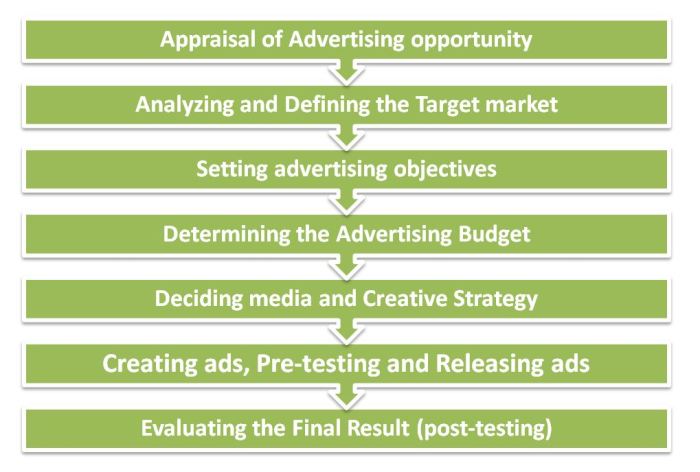
Embark on a journey through the world of Advertising Campaign Planning and Execution, unraveling the intricacies and strategies that lead to successful marketing endeavors.
Explore the key elements, from identifying target audiences to creative execution, that shape impactful advertising campaigns.
Overview of Advertising Campaign Planning
Creating a well-thought-out advertising campaign plan is crucial for the success of any marketing strategy. It helps in defining clear objectives, identifying target audiences, and allocating resources effectively.
Importance of a Well-Thought-Out Advertising Campaign Plan
- Establishes clear goals and objectives to measure success
- Defines target audience to ensure messaging resonates
- Allocates resources effectively for maximum impact
Key Elements in Planning an Advertising Campaign
- Market Research to understand the target audience
- Setting Clear Objectives for the campaign
- Creative Development for impactful messaging
- Media Planning to reach the target audience effectively
- Budget Allocation to optimize resources
Successful Advertising Campaigns and Planning Strategies
One notable example is Nike’s “Just Do It” campaign, which focused on empowering athletes and individuals to push beyond their limits. The planning strategy involved in-depth market research, creative development, and strategic media placement to reach a wide audience while staying true to the brand’s values.
Typical Timeline for Planning and Executing an Advertising Campaign
| Phase | Duration |
|---|---|
| Research and Planning | 1-2 months |
| Creative Development | 2-3 weeks |
| Media Buying and Placement | 1 month |
| Execution and Monitoring | Ongoing |
Target Audience Identification
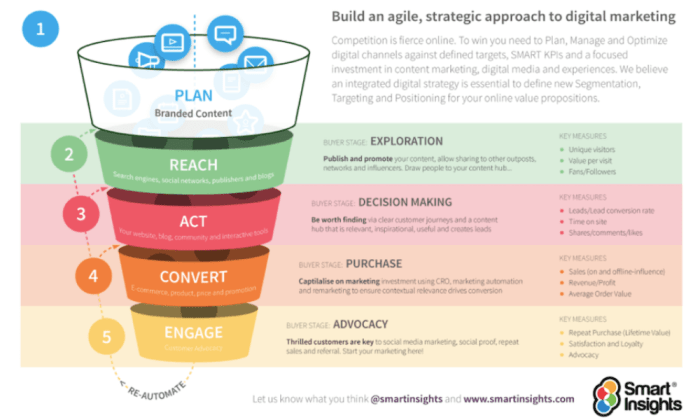
Identifying the target audience is a crucial step in the advertising campaign planning process as it helps in tailoring messages that resonate with specific demographics. By understanding the characteristics, preferences, and behaviors of the target audience, advertisers can create more effective and impactful campaigns.
Methods for Researching and Defining the Target Audience
- Conducting market research to gather data on demographics, psychographics, and consumer behavior.
- Utilizing customer surveys, focus groups, and interviews to gain insights into the target audience’s preferences and needs.
- Utilizing data analytics and social media monitoring tools to track online behavior and engagement patterns.
Examples of Different Target Audiences Requiring Different Advertising Approaches
- A younger audience may respond better to social media campaigns with interactive content, while an older audience might prefer traditional print advertisements.
- A target audience with high-income levels may be more receptive to luxury branding and high-end visuals, while a budget-conscious audience may be more interested in promotions and discounts.
Tailoring Advertising Messages to Specific Target Demographics
- Using language and tone that resonates with the target audience, whether it be formal, casual, or humorous.
- Highlighting benefits and features of the product or service that are most relevant to the specific needs and interests of the target demographic.
- Utilizing imagery and visuals that reflect the lifestyle, values, and aspirations of the target audience.
Setting Campaign Objectives and Goals
Setting clear objectives and goals for an advertising campaign is crucial for its success. This involves defining what you want to achieve through the campaign and outlining the specific outcomes you are aiming for.
Importance of Clear Objectives
Setting SMART objectives is essential to ensure that your advertising campaign is effective and measurable. SMART stands for Specific, Measurable, Achievable, Relevant, and Time-bound. By following these criteria, you can create objectives that are clear, focused, and attainable.
- Specific: Clearly define what you want to accomplish with the campaign. For example, increasing brand awareness among millennials.
- Measurable: Establish metrics to track the progress and success of your objectives. This could include website traffic, social media engagement, or sales numbers.
- Achievable: Set goals that are realistic and within reach based on your resources and target audience.
- Relevant: Ensure that your objectives align with your overall marketing and business goals. They should contribute to the growth and success of the company.
- Time-bound: Set a specific timeframe for achieving your objectives. This helps create a sense of urgency and accountability.
Common Advertising Campaign Objectives
- Brand Awareness: Increasing recognition and visibility of the brand among the target audience.
- Lead Generation: Generating potential leads or inquiries from interested customers.
- Sales Increase: Driving sales and revenue for the company through the campaign.
Aligning with Marketing and Business Goals
To ensure that campaign objectives are in line with overall marketing and business goals, it is important to have a clear understanding of the company’s objectives and strategies. Aligning advertising goals with these broader goals helps in maximizing the impact of the campaign and driving long-term success.
Budgeting and Resource Allocation
Budgeting plays a crucial role in advertising campaign planning as it determines the financial resources needed to achieve the campaign objectives effectively. It helps in setting realistic goals, allocating resources efficiently, and maximizing the impact of the campaign.Effective resource allocation is essential to ensure that different aspects of the advertising campaign receive the necessary funding to succeed. By allocating resources strategically, you can prioritize activities that align with your objectives and reach your target audience more effectively.
Optimizing Budget Allocation
- Identify key areas of focus: Determine which elements of the campaign are most critical for achieving your goals and allocate a larger portion of the budget to these areas.
- Consider the target audience: Tailor your budget allocation to match the preferences and behaviors of your target audience to maximize the impact of your advertising efforts.
- Monitor performance: Regularly track the performance of different campaign elements to identify areas where budget reallocation may be necessary for better results.
- Flexibility is key: Be prepared to adjust your budget allocation based on real-time data and feedback to optimize campaign performance.
Tracking and Managing Expenses
- Use budget tracking tools: Utilize software or tools to monitor expenses and ensure that you stay within budget constraints throughout the campaign.
- Regularly review expenses: Conduct regular reviews of expenses to identify any discrepancies or areas where overspending may be occurring.
- Implement cost-saving measures: Look for opportunities to reduce costs without compromising the quality or effectiveness of the campaign to stay within budget limits.
- Communication is key: Ensure clear communication among team members regarding budget constraints and encourage a culture of cost-consciousness throughout the campaign execution phase.
Media Planning and Buying
Media planning and buying are crucial aspects of an advertising campaign, as they determine how and where the ads will be displayed to reach the target audience effectively.
Types of Media Channels and Their Advantages
There are several types of media channels available for advertising, each with its own unique advantages:
- Television: Reaches a wide audience and allows for visual and audio storytelling.
- Radio: Cost-effective and can target specific demographics based on station selection.
- Print: Offers a tangible format for longer-lasting exposure and can target niche audiences.
- Online/Digital: Highly targetable, trackable, and allows for interactive engagement with the audience.
- Social Media: Engages with users in real-time, promotes sharing and user-generated content.
Tips for Selecting Media Channels
When selecting media channels for an advertising campaign, consider the following tips based on campaign objectives and target audience:
- Understand the demographics and media consumption habits of your target audience.
- Choose channels that align with your campaign goals, whether it’s brand awareness, lead generation, or sales.
- Utilize a mix of channels to reach the audience at different touchpoints in their customer journey.
- Allocate budget based on the effectiveness of each channel in reaching your campaign goals.
Role of Media Buying
Media buying plays a crucial role in negotiating ad placements and maximizing reach within budget constraints:
- Media buyers negotiate with media outlets to secure the best ad placements at the most cost-effective rates.
- They analyze data and insights to optimize ad placements for maximum impact and reach.
- Media buyers ensure that the ads are delivered to the right audience at the right time to achieve campaign objectives.
Creative Development and Execution
Creativity plays a crucial role in the successful execution of an advertising campaign. It is the creative elements of an ad that capture the audience’s attention, evoke emotions, and ultimately drive engagement and action.Developing creative concepts, visuals, and messaging for an advertising campaign involves a strategic process. It starts with understanding the target audience, their preferences, behaviors, and motivations. This information guides the creation of compelling and relevant content that resonates with the audience.Successful creative campaigns often involve innovative ideas, memorable visuals, and impactful messaging.
For example, Apple’s “Think Different” campaign is a classic example of a successful creative campaign that focused on inspiring and challenging the audience to think differently.To ensure consistency in creative execution across different advertising channels, it is essential to maintain a cohesive brand identity and messaging. This involves aligning visuals, tone of voice, and messaging to create a unified brand experience for the audience.
Best Practices for Creative Execution
- Develop a clear and compelling brand story that resonates with the target audience.
- Create visually appealing and memorable content that captures attention and reinforces brand identity.
- Ensure consistency in messaging and tone of voice across all marketing channels.
- Continuously test and optimize creative elements based on audience feedback and performance data.
- Collaborate with designers, copywriters, and other creative professionals to bring ideas to life effectively.
Monitoring, Evaluation, and Optimization
Monitoring, evaluation, and optimization are crucial elements of any advertising campaign. By keeping a close eye on key performance indicators (KPIs) throughout the campaign, marketers can assess the effectiveness of their strategies and make necessary adjustments to optimize performance.
Importance of Monitoring and Evaluating KPIs
Monitoring and evaluating KPIs allow marketers to track the progress of their advertising campaign in real-time. This helps in identifying what is working well and what needs improvement. By analyzing KPIs, such as click-through rates, conversion rates, and return on investment, marketers can make data-driven decisions to enhance the overall effectiveness of the campaign.
Methods for Tracking Campaign Performance and Analyzing Data
- Utilizing web analytics tools like Google Analytics to track website traffic, user behavior, and conversion rates.
- Implementing conversion tracking pixels to monitor the performance of online ads and measure conversions.
- Conducting A/B testing to compare different versions of ads or landing pages and determine which performs better.
Tools and Techniques for Campaign Optimization
- Using heatmaps to visualize user interaction with web pages and identify areas for improvement.
- Employing retargeting strategies to re-engage with users who have previously shown interest in the product or service.
- Optimizing ad placements and targeting based on performance data to reach the most relevant audience.
Tips for Making Data-Driven Decisions
- Regularly review KPIs and adjust campaign strategies accordingly to maximize results.
- Experiment with different creatives, messaging, and targeting to identify the most effective combinations.
- Stay updated on industry trends and best practices to inform optimization strategies.
In conclusion, mastering the art of advertising campaign planning and execution is crucial for achieving marketing goals and reaching target audiences effectively.
Key Questions Answered
Why is setting clear objectives important in an advertising campaign?
Setting clear objectives ensures that the campaign stays focused and measurable, guiding decisions and strategies effectively.
How can budget allocation be optimized for maximum impact?
By analyzing past campaign performance, adjusting allocations based on ROI, and exploring cost-effective channels to reach the target audience.
What role does media buying play in advertising campaigns?
Media buying involves negotiating ad placements and ensuring maximum reach within allocated budgets, maximizing exposure and engagement.


