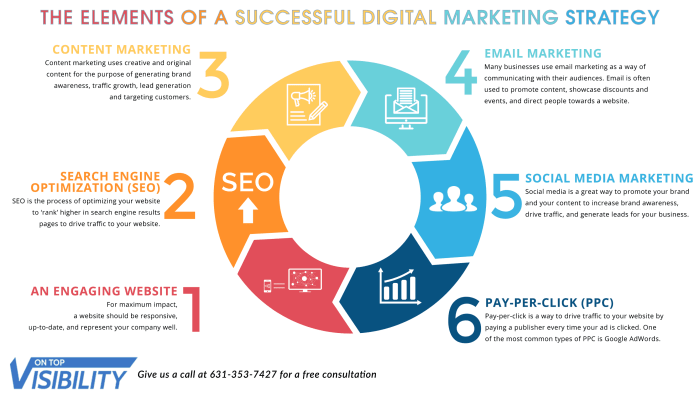
Delving into Digital advertising campaign strategies, this introduction immerses readers in a unique and compelling narrative. From exploring various digital advertising channels to understanding the significance of targeting, this overview sets the stage for a deep dive into the world of digital marketing campaigns.
As we navigate through the intricacies of successful digital advertising campaigns and the factors that influence strategies, we uncover the key elements that make these campaigns effective and impactful.
Digital advertising campaign strategies
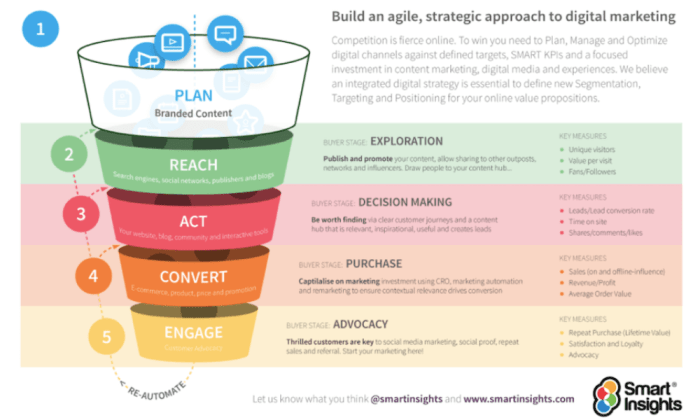
In today’s digital age, it is essential for businesses to have effective digital advertising campaign strategies in place to reach and engage with their target audience online. These strategies encompass a variety of channels and tactics to maximize visibility and drive results.
Different types of digital advertising channels
Digital advertising channels come in various forms, each with its unique advantages and target audience. Some common types include:
- Social media advertising: Platforms like Facebook, Instagram, and Twitter offer targeted advertising options based on user demographics, interests, and behaviors.
- Search engine marketing (SEM): Using paid search ads on search engines like Google to appear at the top of search results for relevant s.
- Display advertising: Placing banner ads on websites or apps to increase brand visibility and drive traffic.
- Video advertising: Running video ads on platforms like YouTube or social media to engage users with visual content.
Examples of successful digital advertising campaigns
Successful digital advertising campaigns often leverage creativity, data-driven insights, and targeted messaging to achieve desired results. Some notable examples include:
- Apple’s “Shot on iPhone” campaign, showcasing user-generated content to highlight the quality of iPhone camera capabilities.
- Dollar Shave Club’s viral video campaign, using humor and relatability to drive brand awareness and customer acquisition.
- Nike’s “Just Do It” campaign featuring inspiring stories and celebrity endorsements to resonate with their target audience.
The importance of targeting in digital advertising
Targeting is a crucial aspect of digital advertising as it allows businesses to reach the right audience with relevant messaging, increasing the likelihood of conversion. By utilizing data insights and segmentation, advertisers can tailor their campaigns to specific demographics, behaviors, and interests, maximizing the impact of their advertising efforts.
Factors influencing digital advertising strategies
When it comes to digital advertising strategies, several key factors play a crucial role in shaping the overall approach. Understanding these factors is essential for creating successful campaigns that resonate with the target audience.
Key Demographic Factors Impacting Campaign Strategies
Demographic factors such as age, gender, location, income level, and education level can significantly impact how digital advertising campaigns are structured and targeted. By analyzing these demographic variables, marketers can tailor their messaging and content to better appeal to specific audience segments.
Consumer Behavior and its Influence on Digital Advertising Decisions
Consumer behavior plays a vital role in shaping digital advertising decisions. By understanding how consumers interact with digital platforms, marketers can create more engaging and relevant campaigns that drive conversions. Factors such as online shopping habits, social media usage, and content consumption patterns all influence digital advertising strategies.
The Role of Data Analytics in Shaping Advertising Strategies
Data analytics plays a critical role in shaping digital advertising strategies. By leveraging data on consumer behavior, campaign performance, and market trends, marketers can optimize their campaigns in real-time, making data-driven decisions to maximize ROI. Data analytics provide valuable insights that help marketers target the right audience, personalize messaging, and optimize ad placements for better results.
Budget allocation in digital advertising campaigns
When it comes to digital advertising campaigns, budget allocation plays a crucial role in determining the success of your marketing efforts. Proper budgeting ensures that you are maximizing your resources and reaching the right audience effectively.
Best practices for budgeting in digital advertising
When setting budgets for digital advertising campaigns, it is essential to consider the following best practices:
- Set clear objectives and goals to align your budget with your marketing objectives.
- Conduct thorough research to understand the cost of advertising on different platforms.
- Allocate budgets based on the performance of past campaigns and the potential return on investment (ROI).
- Regularly monitor and analyze the performance of your campaigns to make necessary budget adjustments.
Importance of ROI in determining budget allocation
Return on investment (ROI) is a critical factor in determining budget allocation for digital advertising campaigns. By calculating the ROI of your campaigns, you can identify which platforms and strategies are delivering the best results and allocate more budget towards them.
Examples of budget distribution across various advertising platforms
Here are some common examples of budget distribution across different advertising platforms:
| Platform | Percentage of Budget Allocation |
|---|---|
| Google Ads | 40% |
| Facebook Ads | 30% |
| Instagram Ads | 15% |
| LinkedIn Ads | 10% |
| Twitter Ads | 5% |
Measuring success in digital advertising
When it comes to measuring the success of digital advertising campaigns, key performance indicators (KPIs) play a crucial role in evaluating the effectiveness and impact of the strategies implemented.
Key Performance Indicators (KPIs)
Key performance indicators are essential metrics that help assess the performance of digital advertising campaigns. Some of the common KPIs used to measure success include:
- Click-through rate (CTR): This metric indicates the percentage of people who clicked on an ad after seeing it. A higher CTR generally suggests that the ad is resonating well with the target audience.
- Conversion rate: The conversion rate measures the percentage of users who took the desired action after clicking on an ad, such as making a purchase or signing up for a newsletter.
- ROI (Return on Investment): ROI helps determine the profitability of the advertising campaign by comparing the revenue generated to the overall cost of the campaign.
- Cost per acquisition (CPA): CPA calculates the average cost incurred to acquire a new customer through the digital advertising campaign.
Tools and Methods for Tracking and Analyzing Performance
There are various tools and methods available to track and analyze the performance of digital advertising campaigns. Some of the commonly used tools include:
- Google Analytics: This tool helps track website traffic, user behavior, and conversion rates, providing valuable insights into the effectiveness of digital ads.
- Ad tracking software: Platforms like AdWords and Facebook Ads Manager offer robust tracking capabilities to monitor ad performance and make data-driven decisions.
- Data visualization tools: Tools like Tableau or Power BI help visualize campaign data and metrics, making it easier to identify trends and patterns.
A/B Testing and its Importance
A/B testing is a crucial method for optimizing digital ads and improving campaign performance. It involves creating two versions of an ad (A and B) with slight variations in elements like ad copy, images, or call-to-action buttons. By testing these variations with a target audience, marketers can determine which version performs better and make informed decisions to enhance the overall effectiveness of the campaign.
Advertising campaign service
Advertising agencies play a crucial role in creating and executing campaigns for businesses. These agencies are equipped with the expertise and resources to develop effective advertising strategies that help companies reach their target audience and achieve their marketing goals.
Role of advertising agencies
- Developing creative concepts and ideas for ad campaigns.
- Planning and buying ad space across various media channels.
- Executing the campaign and monitoring its performance.
- Optimizing the campaign based on real-time data and insights.
Benefits of outsourcing advertising services
- Access to specialized skills and expertise in advertising.
- Cost-effective compared to hiring an in-house team.
- Time-saving, allowing businesses to focus on core activities.
- Ability to leverage industry relationships and networks for better results.
Tailoring campaigns to meet client objectives
Advertising agencies work closely with clients to understand their goals, target audience, and brand identity. They then customize the ad campaign to align with these objectives, ensuring that the messaging, creative elements, and media placements resonate with the target market and drive desired outcomes.
In conclusion, the world of digital advertising campaign strategies is a dynamic and ever-evolving landscape. By focusing on budget allocation, measuring success, and harnessing the power of advertising agencies, businesses can stay ahead of the curve and drive meaningful results in today’s digital age.
FAQ Corner
How can I choose the right digital advertising channel for my campaign?
To select the right channel, consider your target audience, budget, and campaign goals. Research each channel’s effectiveness in reaching your specific audience demographics to make an informed decision.
What are the best practices for budgeting in digital advertising?
Best practices include setting clear goals, monitoring campaign performance regularly, allocating budget based on ROI analysis, and testing different strategies to optimize spending.
How do advertising agencies tailor campaigns to meet client objectives?
Advertising agencies tailor campaigns by understanding client goals, target audience, and market trends. They create personalized strategies that align with client objectives to deliver successful outcomes.


